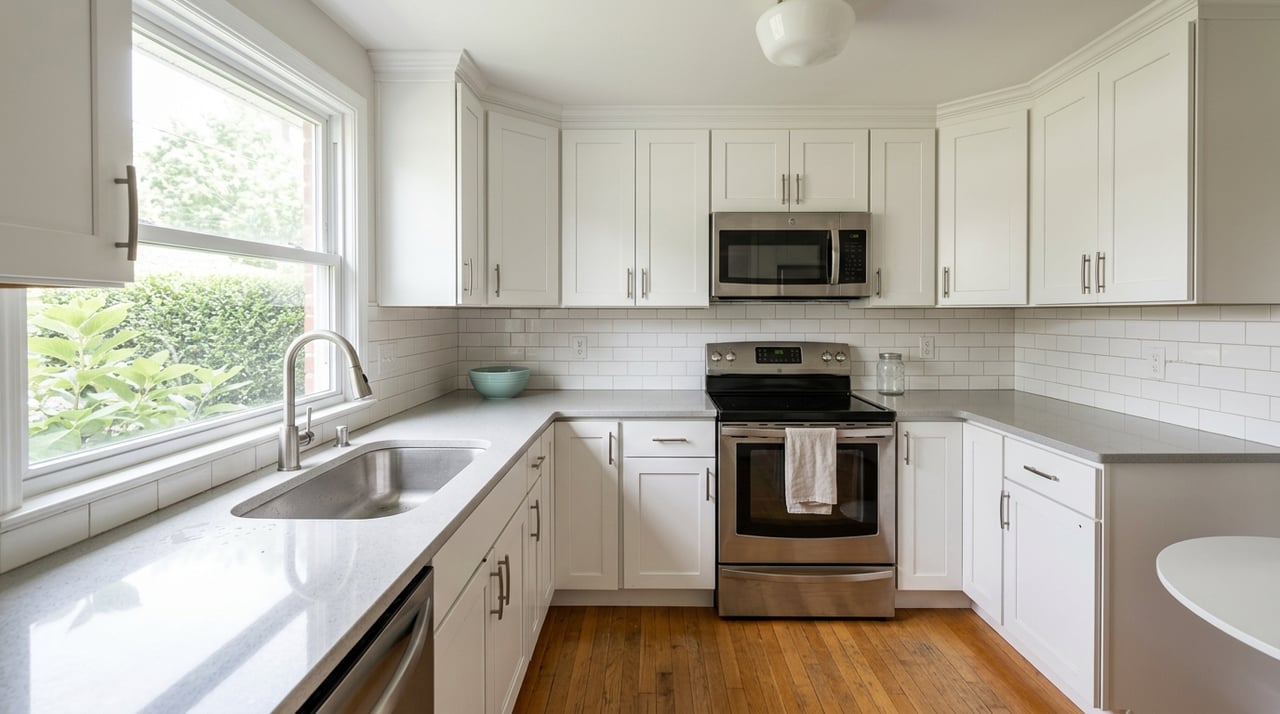
Starter Home Expectations In Plymouth County
June 25, 2026
June 25, 2026
Buying your first home in Plymouth County can feel like aiming at a moving target. Prices are high, many homes are older, and the most affordable options often come with trade-offs you need to understand before you make an offer. If you want a clearer picture of what a true starter home looks like here, this guide will help you set practical expectations and shop with more confidence. Let’s dive in.
In Plymouth County, a starter home does not always mean a brand-new single-family house with room to spare. The county’s housing stock is dominated by detached single-family homes, which make up about 69.6% of all housing units, but condos, attached homes, and small multifamily properties are also part of the entry-level conversation.
That matters because many first-time buyers start with one picture in mind, then realize the market offers something different. In this county, a realistic starting point may be an older resale home, a condo, or a smaller attached property rather than new construction.
A big part of the Plymouth County market story is age. The median construction year is 1971, about 21.2% of homes were built before 1940, and roughly 62% were built in 1979 or earlier. Only 1.6% of homes were built in 2020 or later.
In plain terms, most starter-home buyers here are shopping older inventory. That can mean more charm and more established neighborhoods, but it can also mean more maintenance questions, more inspection items, and more decisions about what condition you can comfortably take on.
If Plymouth County feels expensive, the numbers support that feeling. In spring 2026, Redfin reported a county median sale price of $667,996 over the prior three months, while Realtor.com showed a median listing price of $719,900.
Point2Homes lists the county’s 2024 median household income at $114,201. That puts the median sale price at about 5.85 times that income level and the median listing price at about 6.30 times income. For many first-time buyers, that means the county’s midpoint is not the same thing as an entry-level budget.
The practical takeaway is simple. You may need to shop below the county median, focus on smaller homes, consider condos, or accept updates and repairs rather than expect a move-in-ready home at the lowest end of the market.
It is easy to assume that looking at a lower-cost part of Plymouth County will solve the affordability issue. In reality, the more affordable submarkets can still move fast and attract strong buyer interest.
For example, Redfin reported Brockton’s median sale price at $514,692 in May 2026, with homes averaging three offers and selling in about 26 days. Even at that price point, buyers should expect competition and should be ready to act quickly when a good fit comes up.
In Plymouth County, most starter-home buyers do not get every item on their wish list right away. The market often asks you to choose which priorities matter most.
Common trade-offs include:
This does not mean settling for the wrong home. It means knowing what is normal in this market so you can make a smart decision instead of chasing an unrealistic standard.
A lower list price does not always mean a lower real-life cost. Census Reporter puts Plymouth County’s mean travel time to work at 34.9 minutes, while Point2Homes reports an average commute of 32 minutes. The same Point2Homes summary says 77.6% of workers travel by car.
That tells you something important about how people live in this county. When you choose a home, you are also choosing a commute pattern, fuel costs, parking needs, and day-to-day convenience.
If you work toward Boston or other job centers outside your immediate town, a less expensive home farther out may come with added driving time and transportation costs. For many buyers, the best starter home is not just the cheapest one. It is the one that fits both your housing budget and your weekly routine.
Because so much of Plymouth County’s housing stock predates 1980, inspections matter a lot. Older homes can absolutely be great starter homes, but you want to understand what you are buying before you move forward.
This is where practical property knowledge helps. Instead of focusing only on finishes and photos, it is wise to pay close attention to the systems and conditions that can affect your costs after closing.
Homes built before 1978 are more likely to contain lead-based paint. Massachusetts also requires lead-related notification when homes built before 1978 are sold or rented.
Since much of the county’s housing inventory is older, this is not a rare issue. If you are buying an older home, you should expect lead disclosure to be part of the process and understand that future renovation work may need lead-safe practices.
Some properties in Massachusetts rely on septic systems rather than public sewer. MassDEP states that Title 5 governs septic systems and that buyers and sellers of homes with septic systems generally need an inspection at transfer.
If a system fails, repair or upgrade may be required. For a first-time buyer, that means septic is not a side detail. It can directly affect negotiations, closing timing, and your post-purchase budget.
MassDEP says more than 500,000 Massachusetts residents rely on private wells and recommends water testing before purchase. In parts of Plymouth County, especially inland or semi-rural areas, a home may be on a private well instead of public water.
That is why you want to confirm utility setup early in the process. If a home has a private well, water quality testing should be part of your due diligence during the inspection window.
Massachusetts notes that tidal and low-lying areas face higher flood risk. The state also notes that standard homeowners insurance does not cover flood damage.
For buyers looking in shoreline towns or other low-lying locations, flood-zone review should be part of the conversation from the start. It can affect insurance planning, monthly costs, and your comfort level with the property long term.
Because Plymouth County has a meaningful share of housing outside the detached single-family category, condos and attached homes deserve serious consideration. For many first-time buyers, they offer a more realistic path into the market than waiting for a perfect single-family home at the right price.
That does not mean a condo is automatically better. It means you may want to compare property type, monthly cost, condition, and commute together instead of looking only at purchase price.
If you are starting your home search in Plymouth County, a helpful mindset is to think in terms of workable entry points. That usually means identifying the home type, condition level, and commute range that best fits your budget, then searching within those lanes.
A realistic starter-home plan in this market often looks like this:
That kind of strategy can save you time and reduce frustration. It also helps you recognize a good opportunity when it appears.
In a market like Plymouth County, first-time buyers benefit from advice that goes beyond surface-level pricing. Older homes, mixed property types, competitive lower-cost pockets, and system-related inspections all add layers to the decision.
That is where grounded guidance matters. When you understand not just the market but also the property itself, you can make a more confident decision about which trade-offs are worth it and which ones are not.
If you are planning your first move in Plymouth County, connecting with a team that understands both the local market and the practical side of homes can make the process feel much more manageable. When you are ready to talk through your budget, goals, and realistic options, reach out to Angela Ricardo.
We go beyond traditional real estate by offering hands-on knowledge, strong negotiation, and a results-driven approach that ensures every decision is backed by expertise.