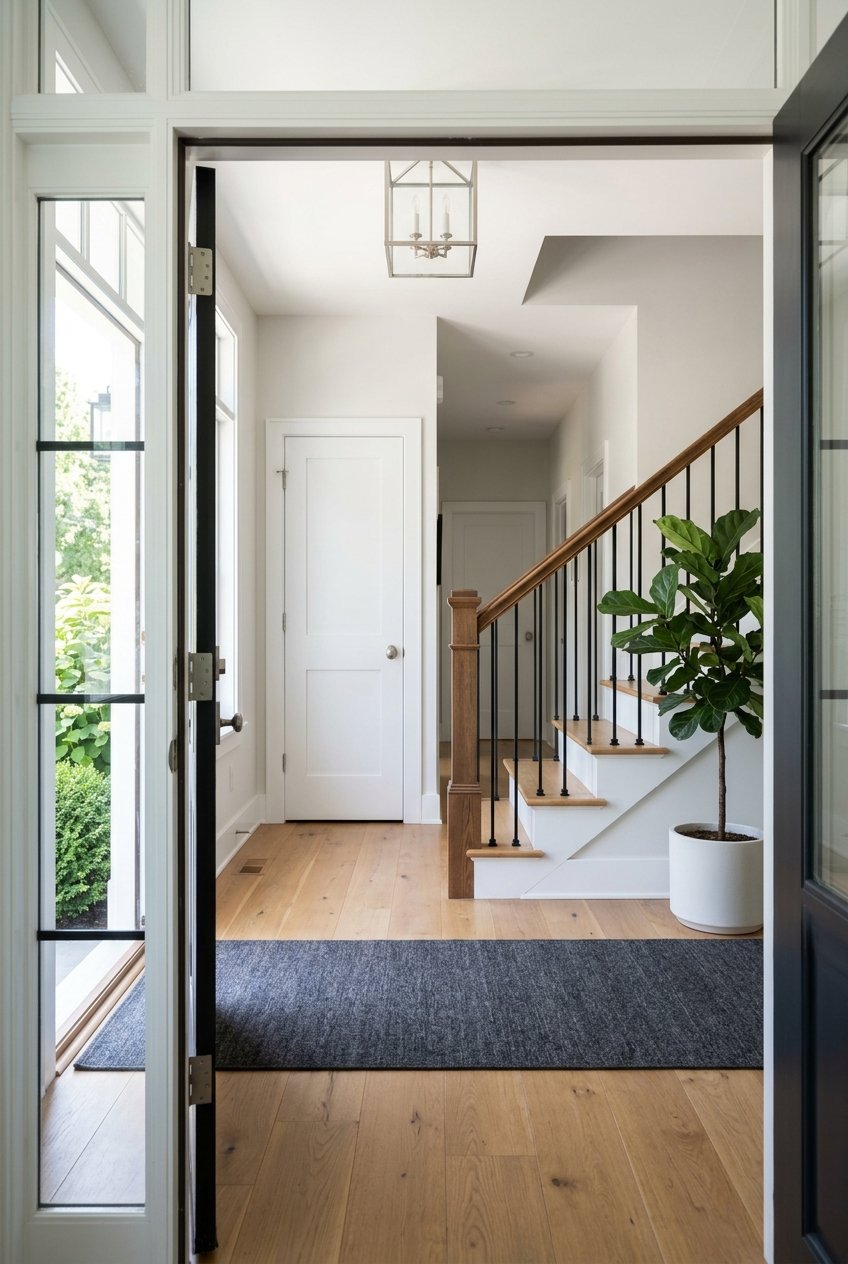
First-Time Homebuyer Roadmap For Bristol County
July 2, 2026
July 2, 2026
Buying your first home in Bristol County can feel exciting right up until the details start piling up. Prices vary a lot by town, homes can move quickly, and the steps between preapproval and closing are not always obvious when you are doing this for the first time. The good news is that a clear plan can help you move with confidence, avoid common missteps, and make stronger decisions from day one. Let’s dive in.
If you are buying your first home here, preparation matters. In May 2026, Bristol County had about 1,200 homes for sale, a median listing price of $549,900, a median sold price of $530,000, and about 22 median days on market, with the market described as balanced overall.
That said, balanced does not mean slow. Other market reports for the same period showed a median sale price around $538,385, homes selling at 100.9% of list price on average, and 54.9% of homes selling above list price. Zillow also reported average home values around $550,471 and homes going pending in about 10 days.
The big takeaway is simple: you do not want to start browsing casually and figure out financing later. In a market like this, the buyers who are ready early often have more options and less stress when the right home shows up.
One of the biggest mistakes first-time buyers make is thinking of Bristol County as one price point. It is not. Zillow’s county data shows major variation between towns, with places like New Bedford at $444,977 and Fall River at $453,377, compared with Berkley at $630,596, Dighton at $579,499, and Lakeville at $641,597.
That means your budget conversation should start with where you want to buy, not just how much house you want. A realistic plan in one town may look very different in another, even within the same county.
Even though the county is balanced overall, some homes still draw strong competition. Redfin highlighted a recent winning offer around $650,000 that came in 13% over list price after 20 days on market and beat 12 other offers.
That does not describe every listing, but it does show why first-time buyers need a strategy. Some homes will sit longer, while others may move fast and attract multiple offers.
Before you tour homes, figure out what monthly payment feels affordable for you. That number matters more than stretching for the highest loan amount a lender might approve.
Once you have that target, the next step is preapproval. The Consumer Financial Protection Bureau recommends asking at least three lenders for preapproval and comparing Loan Estimates before choosing one.
A preapproval letter helps you shop seriously, but it does not lock you into that lender. It is a tool that shows sellers you are financially prepared and helps you narrow your home search to a price range that makes sense.
Massachusetts offers programs that may help eligible first-time buyers, so it is smart to review them before you start making offers. Early research can shape your budget, your down payment plan, and the loan products you consider.
According to MHP, ONE Mortgage is designed for low- to moderate-income first-time buyers statewide. It offers as little as 3% down, a low fixed rate, and no PMI, with eligibility requirements that include first-time buyer status, approved pre-purchase education, income and asset limits, and minimum credit scores. For single-family homes and condos, the minimum down payment is 3%, and for three-family homes, it is 5%.
MassHousing also states that eligible first-time buyers may qualify for down payment assistance, including $25,000 at 0% interest for down payment, closing costs, permanent rate buydowns, and upfront mortgage insurance premiums. It also notes continued availability of $30,000 in assistance for buyers meeting certain income limits.
Because program terms can change, timing matters. If you think one of these options may fit your situation, review it early so you can build your plan around current requirements.
Once you are preapproved, your home search should focus on both budget and location. Bristol County includes a wide range of housing prices, so narrowing your search by town can keep you from wasting time on homes that do not fit your numbers.
This is also where a practical strategy helps. You may decide to prioritize a lower-priced town to keep your payment manageable, or you may expand your home type options to include condos, townhomes, multifamily homes, or manufactured homes if that better fits your goals and price range.
A good first-time buyer roadmap is not about chasing every new listing. It is about understanding your lanes, acting quickly when something fits, and staying grounded when a home is priced or marketed to attract competition.
Getting your offer accepted is a big milestone, but it is not the finish line. Once you are under contract, the next steps matter a lot and usually move on a tight timeline.
A strong local roadmap here is straightforward: schedule the inspection quickly, move through the appraisal process, review any issues that come up, and negotiate only where it makes sense.
The Consumer Financial Protection Bureau says you should schedule the home inspection as soon as possible after choosing a home. You need enough time to understand the property’s condition and decide how to handle any problems.
It is also important to know that an inspection is not the same as an appraisal. The appraisal is generally required by the lender to estimate value, while the inspection is for your protection and focuses on the home’s physical condition.
FHA does not perform home inspections. If you want a clear picture of the home’s condition, that is your step to manage.
Massachusetts licenses home inspectors, which gives you a useful way to check credentials and history before hiring one. Mass.gov also notes that you can ask for the inspector’s standards of practice or a sample report.
Depending on the property, extra testing may also be relevant. That can include radon, mold, asbestos, lead paint, or pests.
For first-time buyers, this is where practical guidance can make a real difference. You want to understand which findings are routine, which are more serious, and which issues may affect your lender, your safety, or your future repair costs.
In Bristol County, broad price cuts are often less realistic than focused requests tied to actual findings. Since countywide sales have been landing near asking price overall, the most productive negotiation points are usually repairs, seller credits, appraisal-related adjustments, and closing timing.
The Consumer Financial Protection Bureau says buyers may negotiate with the seller over repairs. If your contract includes an inspection contingency, you may also be able to cancel without penalty if the inspection is not satisfactory.
If major repairs are needed, the lender may also add conditions. That is one reason inspection findings should be reviewed carefully and quickly.
If the home was built before 1978, lead paint rules matter. Mass.gov says sellers and agents must provide the Property Transfer Lead Paint Notification for pre-1978 homes.
Mass.gov also states that if a child under six will live or continue to live in the home, the owner must delead or bring the property into interim control within 90 days of taking title. For older housing stock, this is an important part of your due diligence.
As closing gets closer, your focus shifts from negotiation to final review. The Consumer Financial Protection Bureau says the lender must send your Closing Disclosure at least three business days before closing.
That gives you time to compare it with your Loan Estimate and review the details carefully. This is your chance to catch fee changes, confirm cash-to-close numbers, and ask questions before signing day.
Before or right after closing, the Consumer Financial Protection Bureau recommends taking care of final walkthrough items, utilities, and change-of-address tasks. These steps may seem small, but they can make your move much smoother.
Your final walkthrough is especially important. It helps confirm the home’s condition is what you expected and that any agreed-upon items or repairs have been handled.
In Bristol County, closing does not end with signatures. After closing, the deed and mortgage are recorded at the correct registry district.
This is one of those local details many first-time buyers never hear about until they are in the process. The Massachusetts Secretary of the Commonwealth lists Bristol Northern District and Bristol Southern District, while the Bristol County registry notes that the county is divided into the Northern District, the Fall River District, and the Southern District.
That means recording logistics can vary depending on the town involved. It is a behind-the-scenes step, but it is part of what moves your purchase from signed paperwork to a completed transaction.
If you want a simple version of the process, here it is:
For most first-time buyers, success comes down to preparation, speed, and clear expectations. Bristol County offers real opportunities, but the buyers who do best are the ones who understand the local pace and stay organized from the beginning.
If you are getting ready to buy your first home in Bristol County, working with a team that combines local market knowledge with practical property insight can help you feel more confident at each step. When you are ready to map out your next move, connect with Angela Ricardo.

We go beyond traditional real estate by offering hands-on knowledge, strong negotiation, and a results-driven approach that ensures every decision is backed by expertise.