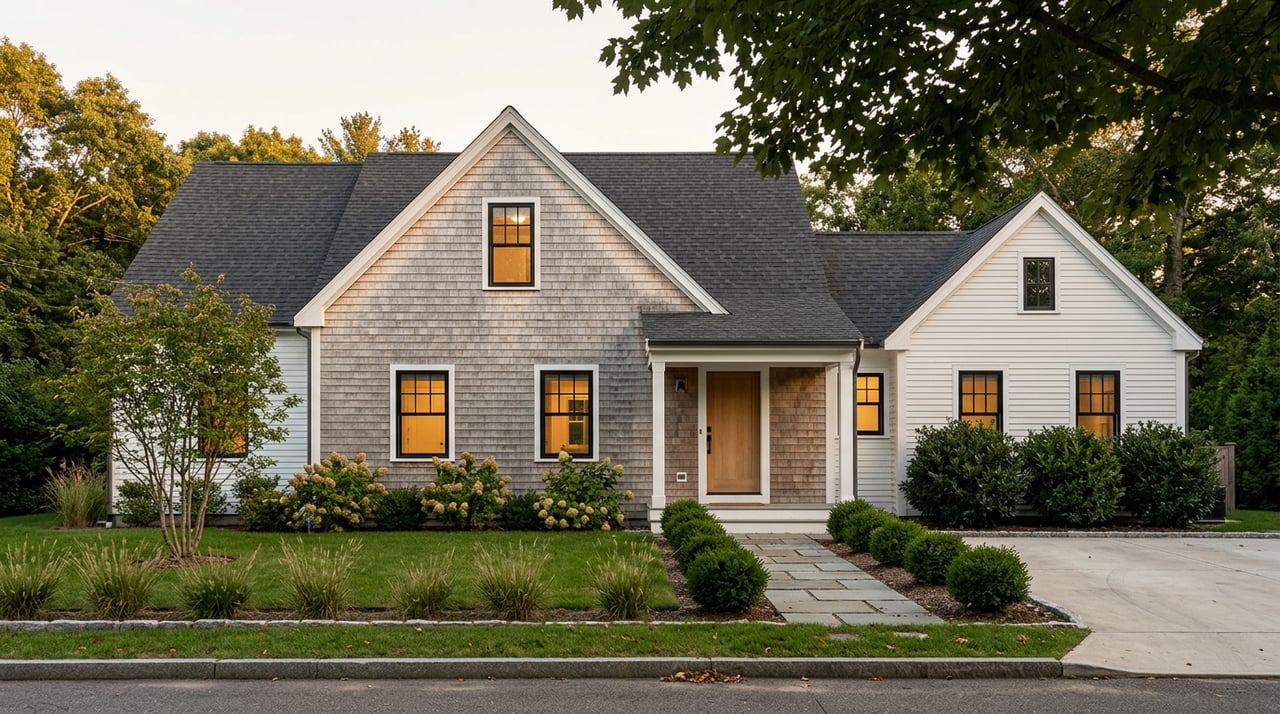
What It’s Like To Live In Plymouth County
June 11, 2026
June 11, 2026
Wondering if Plymouth County could fit the way you actually want to live? This is one of those places where your day-to-day experience can look very different depending on which town you choose. If you are comparing coastal scenery, commuter convenience, housing options, and everyday amenities, this guide will help you understand what living in Plymouth County really feels like. Let’s dive in.
Plymouth County had an estimated 546,829 residents in July 2025, and that was up 3.0% from the April 2020 base. County data also shows a homeowner-heavy market, with 77.6% of housing units owner-occupied. That can give many parts of the county a settled, residential feel.
The county also reflects a wide range of life stages and household needs. About 20.9% of residents are 65 or older, and 20.2% are under 18. Median household income is $114,201, median home value is $556,000, and median gross rent is $1,747.
Daily life here often comes with a commute. The mean travel time to work is 32.5 minutes, and broadband subscription reaches 92.9% of households. In practical terms, that points to a county where driving is still a major part of routine life, even with some transit options in the mix.
One of the most important things to know is that Plymouth County is not one uniform place. The county includes Brockton, Bridgewater, Carver, Duxbury, East Bridgewater, Halifax, Hanover, Hanson, Hingham, Hull, Kingston, Lakeville, Marshfield, Middleborough, Norwell, Pembroke, Plymouth, Plympton, Rockland, Scituate, Wareham, West Bridgewater, and Whitman.
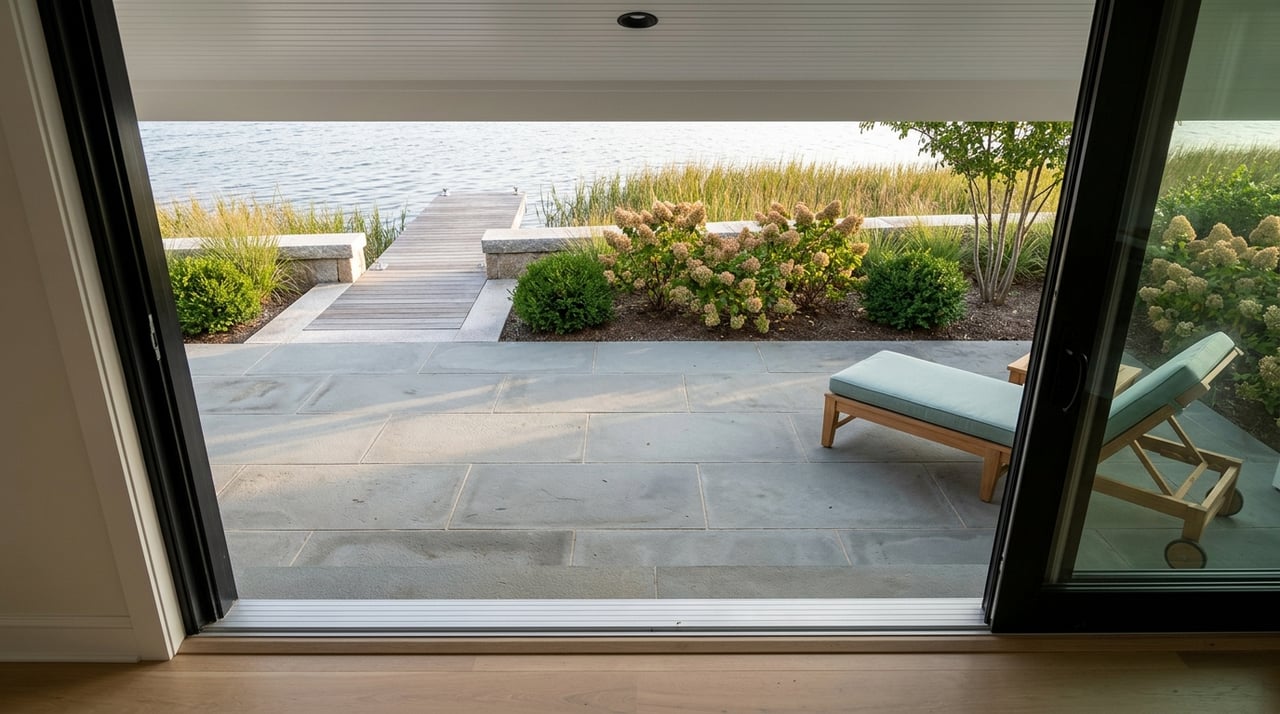
That range creates a patchwork of living environments. You will find shoreline communities, inland towns, commuter-oriented areas, and a more urban setting in Brockton. So when you ask what it is like to live in Plymouth County, the most accurate answer is that it depends on which part of the county matches your lifestyle.
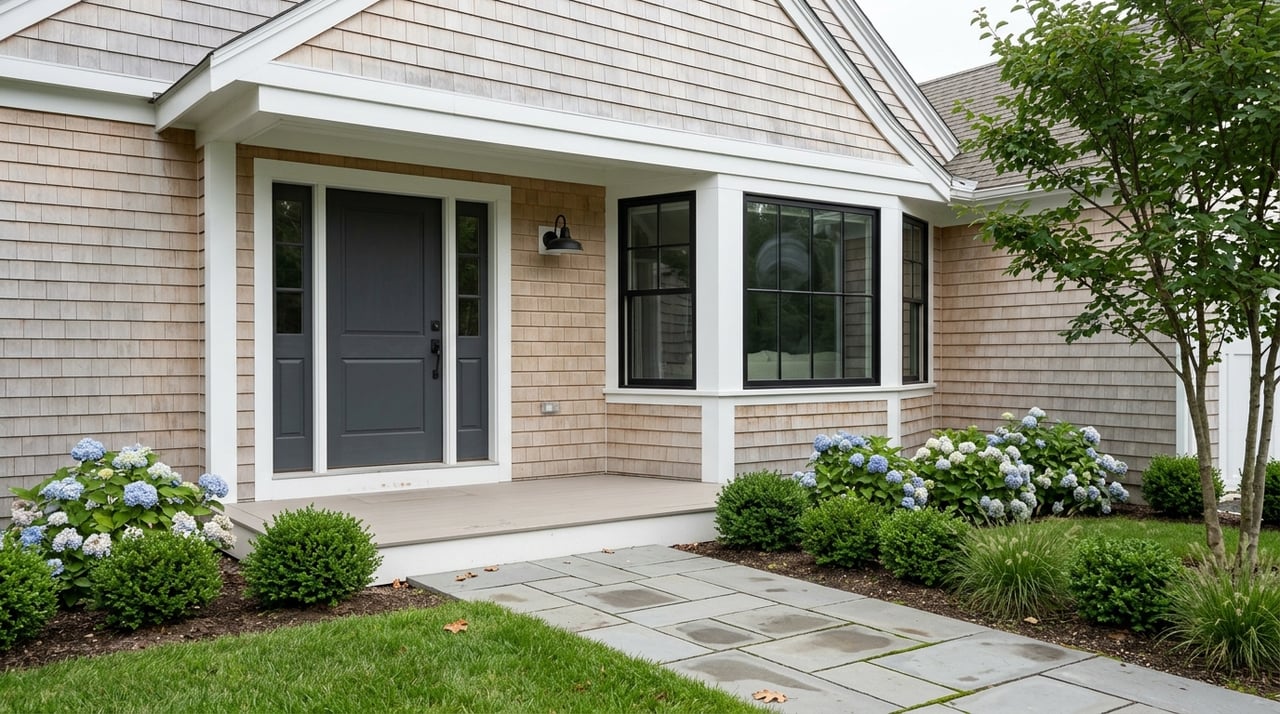
Countywide, homeownership is common, but the housing mix changes noticeably from place to place. Local planning documents and county data show a mix of coastal housing, newer planned neighborhoods, older single-family areas, and denser multifamily sections in some town centers.
For buyers and sellers, that matters because one town may feel strongly single-family and spread out, while another offers more apartments, condos, or multifamily options. If you are moving within the county, the change in housing style can be more significant than you might expect.
Plymouth gives a good example of the county’s coastal side. Local planning materials report that roughly 70% to 71.1% of the housing stock is single-family detached. About 80% of housing units are owner-occupied.
Plymouth also has a seasonal element that shapes the market. One town planning summary says about 2,400 of 3,300 vacant units are seasonal or occasional-use homes. That helps explain why some parts of Plymouth can feel busier during peak visitor periods and quieter at other times of year.
The town has also seen notable housing growth. Plymouth added about 6,800 new housing units between 2000 and 2020, with roughly 40% of that growth in Pinehills. If you are looking for a place with a mix of established coastal areas and newer development, Plymouth stands out.
Brockton represents a different side of Plymouth County. Its master plan reports that detached single-family homes are still the largest housing category at 47.4%, but multifamily housing plays a much larger role here than in many surrounding towns.
According to the plan, 27.7% of units are in multifamily buildings with up to four units, and 22.2% are in multifamily buildings over four units. About 55% of units are owner-occupied and 45% are rented. Multifamily housing is concentrated downtown and along the north-south rail corridor.
If you want a location with a more compact feel and a broader range of housing types, Brockton may be part of your search. If you prefer lower-density neighborhoods, other towns in the county may feel more aligned with your goals.
Plymouth County is largely car-first, but regional transportation options can still support certain routines. For many residents, especially those working outside their immediate town, driving remains the most practical way to get around.
That said, rail, bus, and ferry connections can add flexibility depending on where you live. The key is understanding that transit access is not evenly distributed across the county.
Current commuter rail access in and around the county centers on the Plymouth/Kingston and Middleborough/Lakeville lines. Official mapping and line documentation identify these as the main rail connections relevant to the area.
It is also worth noting that the former Plymouth commuter rail station and the Plymouth spur were removed. So if you are thinking about rail from Plymouth itself, you will want to confirm current station access rather than assume the old terminal is still active.
Bridgewater is another useful point of reference. Bridgewater State University says its main campus is about 40 minutes south of Boston and has a commuter rail stop, which helps illustrate the county’s Boston-bound access from certain locations.
GATRA helps fill in some of the transportation gaps. Its fixed-route service runs in Duxbury, Kingston, Marshfield, Middleborough, Plymouth, and Wareham. GATRA GO on-demand service covers Plymouth, Scituate, and nearby towns, and the Coastline service specifically serves South Plymouth.
GATRA also notes that it helps connect riders to MBTA stations with commuter rail service. For some residents, that can make a meaningful difference, especially if you want an alternative to driving the full trip.
Shoreline residents have additional options tied to ferry terminals. Mass.gov notes public transportation access to the Hingham and Hull ferry terminals and also mentions a ferry across Cape Cod Bay from Plymouth.
For some households, that coastal access adds convenience. For others, it is more of a lifestyle perk than a daily commuter tool. It really depends on your routine and where in the county you plan to live.
One of Plymouth County’s biggest strengths is how much outdoor access it offers. If you like spending time near the water, on trails, or in large public open spaces, the county gives you a lot to work with.
This is also a place where local institutions help anchor daily life. Libraries, colleges, and public spaces play a meaningful role in how residents use and enjoy their communities.
Myles Standish State Forest is one of the county’s standout assets. Mass.gov says it covers more than 12,400 acres, making it the largest public open space in southeastern Massachusetts. It includes 58 kettle ponds along with camping, hiking, biking, swimming, and fishing.
Other notable destinations add even more variety. Ellisville Harbor State Park offers meadows, a red pine forest, shoreline views, and harbor seals. Myles Standish Monument in Duxbury offers views toward Plymouth Harbor and Duxbury Beach.
Plymouth’s waterfront is one of the county’s most visible historic and recreation areas. Pilgrim Memorial State Park includes Plymouth Rock and Mayflower II and draws more than 1 million visitors each year.
That level of visitor activity shapes the local feel. If you live near the harbor or downtown Plymouth, you may notice more seasonal energy and more foot traffic than you would in many inland towns.
Beyond parks and shoreline access, Plymouth County also has everyday institutions that support community life. Bridgewater State University says it is the 10th largest university in Massachusetts and grants about 2,500 degrees and certificates each year.
Massasoit Community College has locations in Brockton, Canton, and Middleborough with public events and student services. Plymouth Public Library includes both a Main Library and a Manomet Branch. These kinds of places often become part of residents’ regular routines, not just occasional destinations.
For many people, Plymouth County offers a blend of coastal New England character, suburban routine, and practical access to work and recreation. Some areas feel scenic and seasonal. Others feel more commuter-focused, and Brockton adds a more urban county-center contrast.
If you are thinking about buying here, the right fit often comes down to how you want your week to function. You may prioritize shoreline access, a certain housing type, a manageable commute, or a more flexible price point within the county’s varied housing landscape.
For sellers, this variety is just as important. Buyers are not shopping for one generic Plymouth County lifestyle. They are choosing between very different town experiences, and that is where clear local positioning matters.
If you are exploring a move to Plymouth County or trying to decide which town best fits your goals, working with a local team that understands both the market and the property itself can make the process feel much more manageable. When you are ready to talk through your next step, connect with Angela Ricardo for practical, informed guidance.
We go beyond traditional real estate by offering hands-on knowledge, strong negotiation, and a results-driven approach that ensures every decision is backed by expertise.